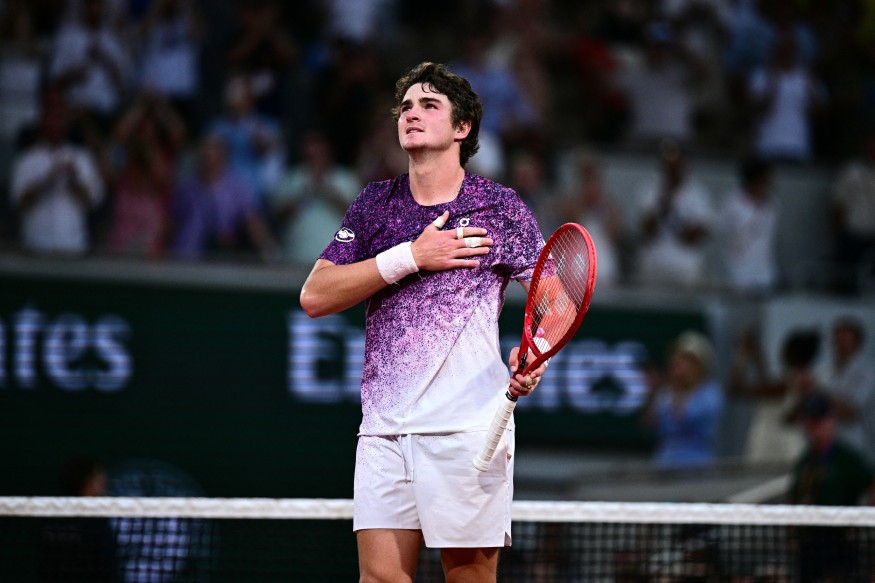
Roland Garros, May 29, 2026: The Moment Everything Changed
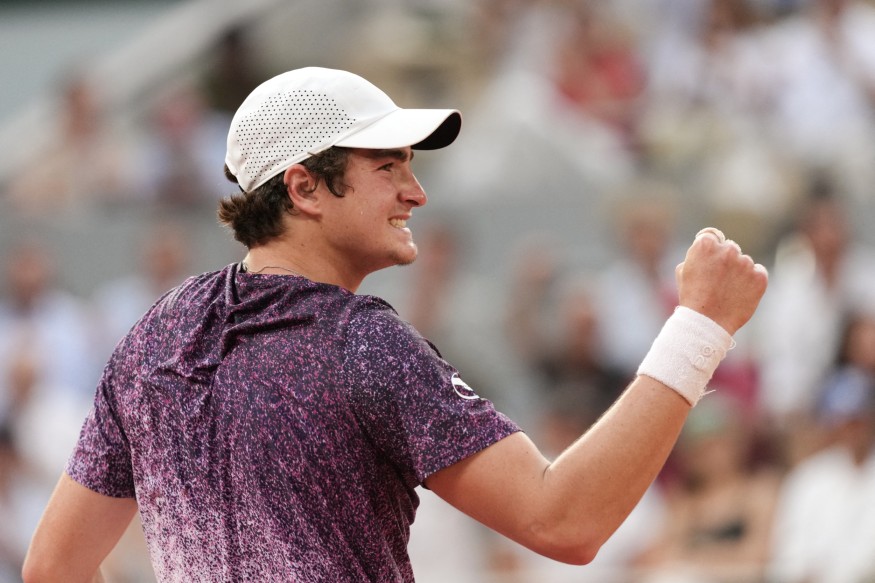
There are upsets in tennis. And then there are defining moments — matches that don't just change a scoreboard but rearrange the entire landscape of a sport. João Fonseca's five-set victory over Novak Djokovic at the 2026 French Open, played under the floodlights of Court Philippe-Chatrier on May 29, belongs firmly in the second category.
The final score read 4-6, 4-6, 6-3, 7-5, 7-5. The match lasted four hours and 49 minutes — the longest of Djokovic's career at Roland Garros. The 19-year-old Brazilian came back from two sets down, from 3-1 down in the fifth, and finished the greatest player of his generation with three consecutive aces. Djokovic came into the match with an all-time record of 289 wins and just one loss when leading by two sets in a Grand Slam. The record no longer stands.
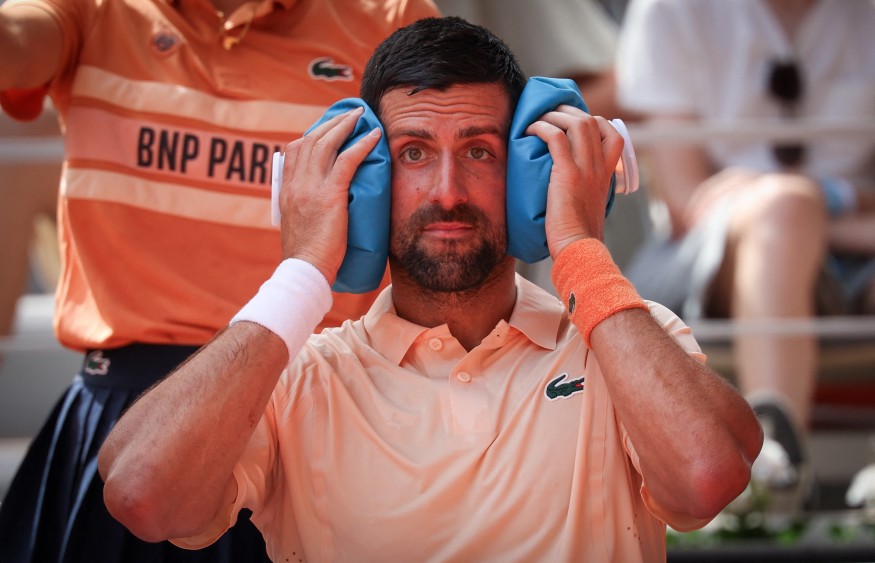
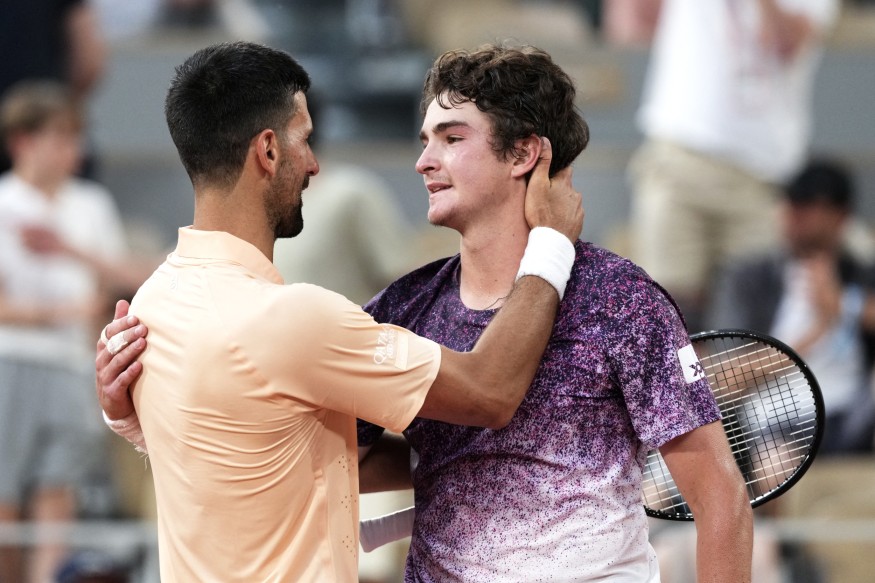
When it was over, Fonseca collapsed into his chair. The crowd roared. And Novak Djokovic walked to the net, embraced the teenager, and told him what the rest of the tennis world had just watched: he had deserved it.
What Fonseca Said After — and Why It Mattered
In tennis, post-match press conferences tend to follow a predictable script. Players talk about belief, about staying present, about trusting the process. Fonseca threw the script away. Asked how he kept the belief that he could win even after losing the first two sets, he gave an answer that instantly spread across social media: 'I actually didn't. I just played. I just enjoy being on court. What a pleasure it was. What an idol we have, and it's a pleasure just stepping on the court against him.'
It was honest, funny, completely unguarded — and it told you everything about why this teenager is different. He wasn't performing composure. He was genuinely, simply free. And that freedom — the absence of pressure that paralyzes most young players facing legends — is what made him so dangerous in the moments that mattered most.
Djokovic's own post-match response was equally telling. The 24-time Grand Slam champion told reporters: 'I told him that he deserved to win and he should be proud of himself. We've all seen today why there is hype around him.' Public, specific, generous. When Novak Djokovic endorses you like that after you've beaten him, the tennis world listens.
The 2025 Australian Open: Where It Started
To understand the full weight of what Fonseca has now accomplished twice, you have to go back to January 2025. An 18-year-old from Rio de Janeiro, ranked outside the top 100, in only his second Grand Slam main draw, dismantled then-ninth seed Andrey Rublev in straight sets at Melbourne Park. Tennis analysts who examined the performance came away not just impressed but unsettled. This wasn't a lucky day. This was a player who had arrived significantly ahead of schedule.
That Australian Open moment was the first announcement. Roland Garros 2026 is the coronation. The difference between a promising upset and a pattern of greatness is precisely two wins — against Rublev in Melbourne and against Djokovic in Paris. Fonseca now has both.
Technical Breakdown: Built for the Big Moments
Fonseca's game is constructed around a serve-and-forehand combination that ranks among the most potent in the current men's game — not 'for his age,' full stop. His first serve combines raw pace with placement variety, and his second serve is executed with enough conviction to hold under the heaviest pressure. He finished the Djokovic match with three consecutive aces. The exclamation point was not an accident.
His forehand is struck with extreme racket-head speed that takes time away from opponents on both wings. What separates him from other young hitters is the ability to redirect the ball cross-court or down the line with equal threat — making it impossible for opponents to anticipate the pattern.
Perhaps the most impressive quality against Djokovic was physical durability. The match began in 90-degree afternoon heat and ended under floodlights. Djokovic, 39, appeared to wear down in the later sets — repeatedly shaking out his arm between points. Fonseca grew stronger. At 19, in only his third Grand Slam, he outran the clock on one of sport's great physical machines. After the match, Fonseca himself marvelled at his opponent's fitness: 'At the end of the match I think he was more fit than me, it's crazy.'
The Records He Has Already Broken
The statistics attached to this Roland Garros performance belong in a different category from ordinary match results. Fonseca became the youngest player ever to defeat Djokovic at a Grand Slam — at 19 years old, eclipsing the previous record held by a 20-year-old Rafael Nadal at Wimbledon in 2006. He is only the second player in history to defeat Djokovic after losing the first two sets of a Grand Slam match. The 39-year-old had been 289-1 in those situations prior to Friday.
His result also marks a career-best Grand Slam performance — the fourth round of a major for the first time. And he enters that fourth round with an open draw in front of him: Jannik Sinner was eliminated in the second round; Carlos Alcaraz withdrew before the tournament; Djokovic is now gone.
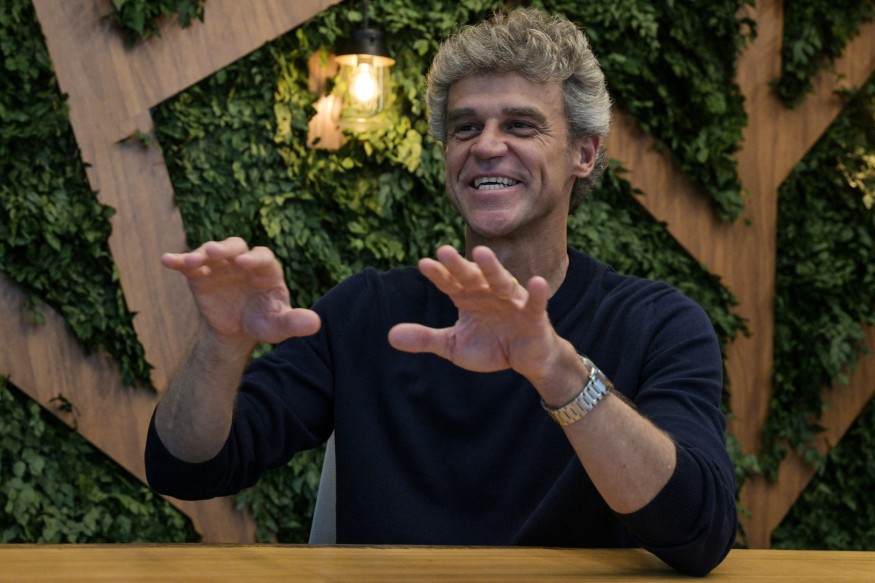
Gustavo Kuerten — three-time Roland Garros champion and Brazil's greatest tennis player — was photographed watching from Florianópolis Airport, stopping mid-journey because the moment was too significant to miss. That image, perhaps more than any statistic, captured the weight of what Fonseca had achieved for his country.
The Draw That Now Opens Before Him
The timing of Fonseca's Roland Garros run is almost improbably favorable. Alcaraz, Sinner, and now Djokovic are all eliminated. The three players who dominated men's tennis entering 2026 are gone, and Fonseca is still standing. He enters the fourth round as one of the most discussed players remaining in the tournament, with a serve that lit up Court Philippe-Chatrier on a Friday night that the sport will not quickly forget.
He enters the round of 16 as the 28th seed — a seeding number that almost certainly no longer reflects his actual level of play.
The Tennis World Reacts
The global reaction has been instant. Unlike the Rublev win at the 2025 Australian Open — celebrated as a sign of future promise — the Djokovic result at Roland Garros is being treated as a statement of present ability. Media comparison points to the young Federer, the young Nadal, the young Djokovic himself. Players who announced themselves at major Grand Slams before the wider world was fully ready to accept them.
Fonseca has now beaten Rublev in Melbourne and Djokovic in Paris. The world is not just paying attention. It is rearranging its expectations.
What Comes Next
Fonseca's ATP ranking sits at approximately 30th as of late May 2026 — a figure that almost certainly understates his current level. A deep Roland Garros run would deliver significant ranking points and thrust him into direct conversations about the top ten by year's end.
Beyond the rankings, the questions being asked about Fonseca have fundamentally changed in the past 48 hours. The conversation has shifted from 'how good could he become?' to 'how soon will he win a Grand Slam?' Those are very different questions.
He told reporters after the Djokovic win: 'I'm just enjoying the moment. I think just ten minutes after the match I could realise a little bit what I did, what I achieved, how difficult it was, and how amazing it was for me.' That combination — complete present-tense enjoyment paired with dawning awareness of historical scale — is exactly the mentality that makes the most dangerous players dangerous. João Fonseca is not dreaming of greatness. He is living it, one five-set comeback at a time, under the lights of Roland Garros.
© Copyright 2026 Sports World News, All rights reserved. Do not reproduce without permission.


