The NBA trade deadline came and went with little fanfare for the Houston Rockets, who stood out as one of the few teams to make no moves.
While inactivity at the deadline often sparks frustration, Houston's silence reflected a deliberate, long-term strategy rather than a failure to act.
Why the Rockets Stayed Quiet at the Trade Deadline
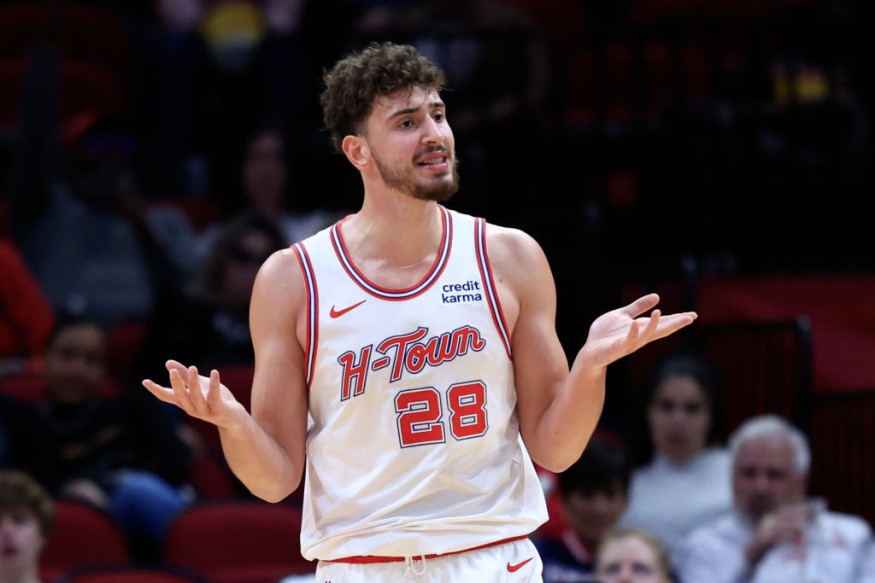
Rockets general manager Rafael Stone confirmed that the team explored potential deals but ultimately encountered significant structural barriers.
Houston operated under a first-apron hard cap, severely limiting its ability to aggregate salaries or take on additional money. That reality alone made meaningful trades difficult to execute.
Compounding the issue, the Rockets were competitive through much of the first half of the season. With progress evident and internal development still the priority, the front office saw little reason to force a move that could disrupt chemistry or financial flexibility.
While some league insiders suggested Houston never seriously engaged in talks, the more accurate takeaway is that the Rockets evaluated the market and chose stability over marginal upgrades.
Limited Trade Flexibility Explained
On paper, Houston possesses attractive assets. In practice, the roster is top-heavy with young core pieces that the organization has no intention of moving for short-term help. Players like Tari Eason, Jabari Smith Jr., and rookie Reed Sheppard are viewed as foundational, not expendable.
According to The Dream Shake, this became clear in reported discussions involving Chicago Bulls guard Coby White. Chicago reportedly sought Eason in return, a price Houston was unwilling to pay for a non-franchise-altering addition.
Veteran contracts also complicated matters. Dorian Finney-Smith and Steven Adams both recently signed multi-year deals, reducing their usefulness as trade chips. Adams' season-ending injury further limited flexibility, removing any chance of reshaping the frontcourt without weakening the rotation.
Standing Pat Preserves Houston's Long-Term Vision
Recent on-court struggles may heighten frustration among fans, but sacrificing young talent for short-term relief would have undercut the team's broader trajectory. Without expiring contracts, surplus veterans, or cap maneuverability, Houston lacked the leverage needed to pull off a clean, balanced deal.
Rather than chase a move for the sake of optics, the Rockets opted to protect their developmental timeline and future optionality. Maybe Houston knows that it's all about trusting their young talent and vets for their playoff bid this season.
© Copyright 2026 Sports World News, All rights reserved. Do not reproduce without permission.


